The Art of Facial Surgery
“The goal is not to create a perfect feature. The goal is to create a feature that belongs to the patient.”
— Stephen S. Park, MD
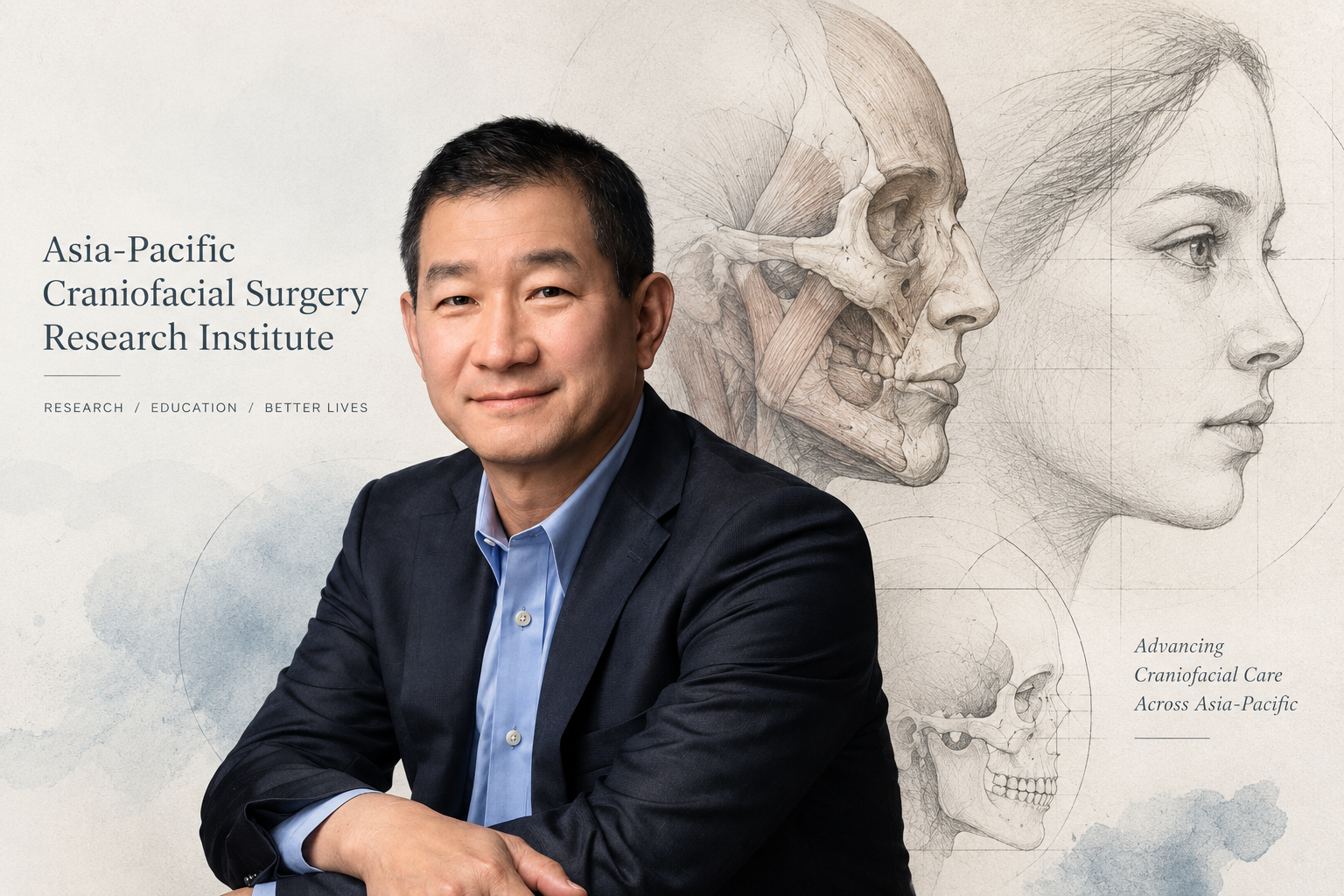
About Stephen Park
Where Surgery Meets Art, Anatomy, and Individuality
For Dr. Stephen Park, facial plastic and reconstructive surgery is more than the restoration or alteration of individual features.
It is an exercise in anatomy, proportion, balance, design, and individuality.
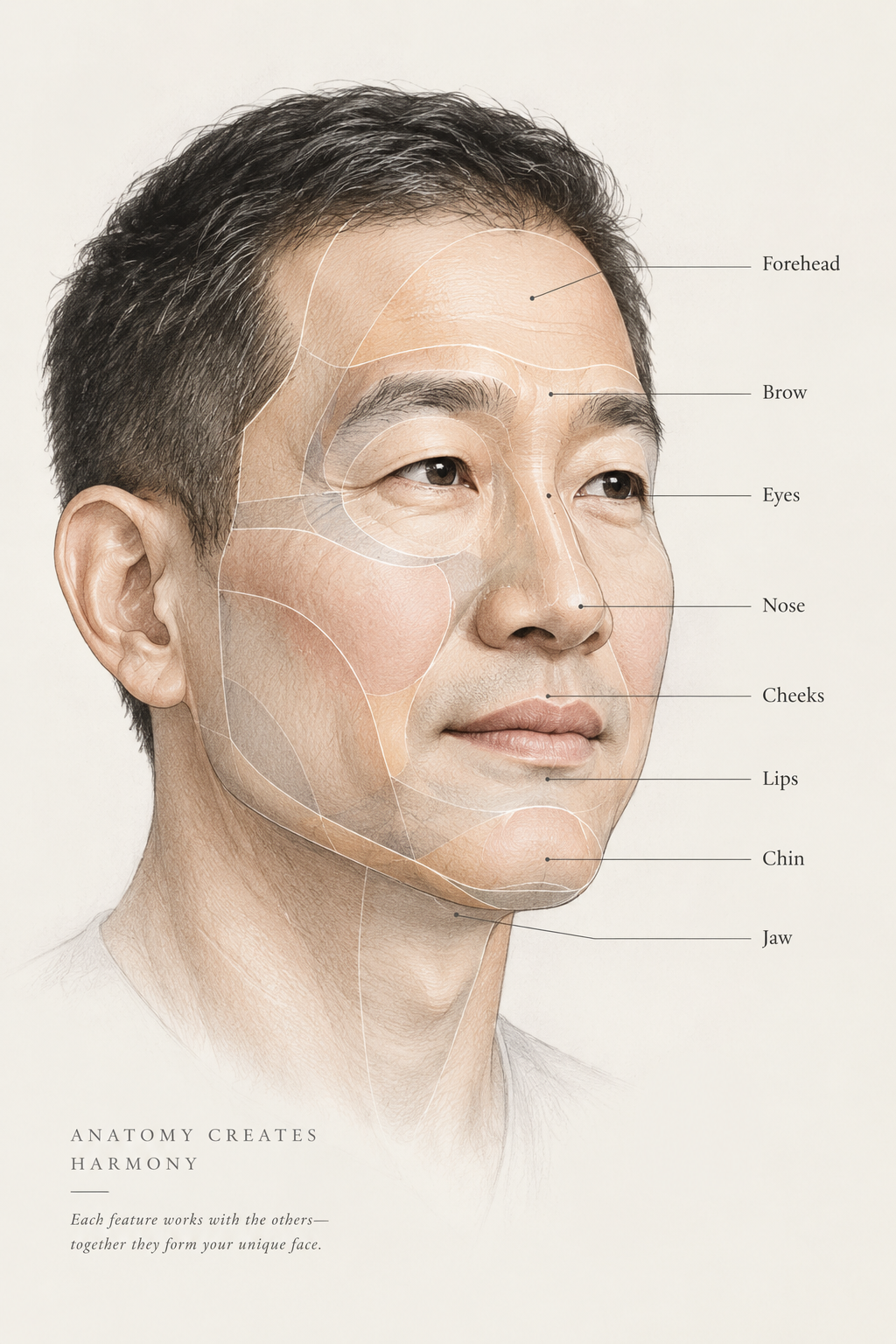
A face is not a collection of separate parts. The nose relates to the cheeks. The eyes relate to the brow. The chin relates to the lips and nose. Every feature exists within a larger composition.
This perspective has shaped Dr. Park's approach throughout his career in facial plastic and reconstructive surgery.
His work combines the precision of surgery with the principles of visual design: understanding proportion, studying form, recognizing subtle asymmetries, and determining how individual features work together as a whole.
The Face as a Work of Individual Design
Every face has its own structure, character, asymmetries, proportions, and history.
There is no single definition of a “perfect” face that can be applied to every patient.
For Dr. Park, one of the most important principles of facial plastic and reconstructive surgery is understanding that the objective is not to create a perfect individual feature—it is to create a feature that belongs to the patient.
A nose should belong to the face.
An ear should belong to the face.
A reconstructed eyelid should belong to the eye.
A reconstructed cheek, chin, or jaw should belong to the individual.
The result should feel as though it was always meant to be part of that person.
The Importance of Art in Surgery
Seeing Beyond Anatomy
Medicine teaches a surgeon how the human body is structured.
Surgical training teaches how to operate safely and precisely.
But facial plastic surgery also requires the ability to see.
The surgeon must recognize subtle differences in proportion, contour, light, shadow, symmetry, and three-dimensional form.
These are qualities traditionally explored through art and design.
An artist studies the relationship between shapes, lines, surfaces, and space.
A facial plastic surgeon must do something remarkably similar.
Before making an incision, the surgeon must imagine how a change in one structure will affect the composition of the entire face.
Surgery as Three-Dimensional Design
Facial surgery is performed on a three-dimensional structure.
The surgeon must consider how tissues appear:
From the front
From the side
From three-quarter view
In motion
In different lighting
In relation to neighboring structures
A change that appears appropriate from one angle may not be appropriate from another.
This is particularly important in procedures such as rhinoplasty, facial reconstruction, microtia reconstruction, facial contouring, and facial rejuvenation.
The objective is not simply to make one structure look better in isolation.
It is to understand how that structure participates in the architecture of the entire face.
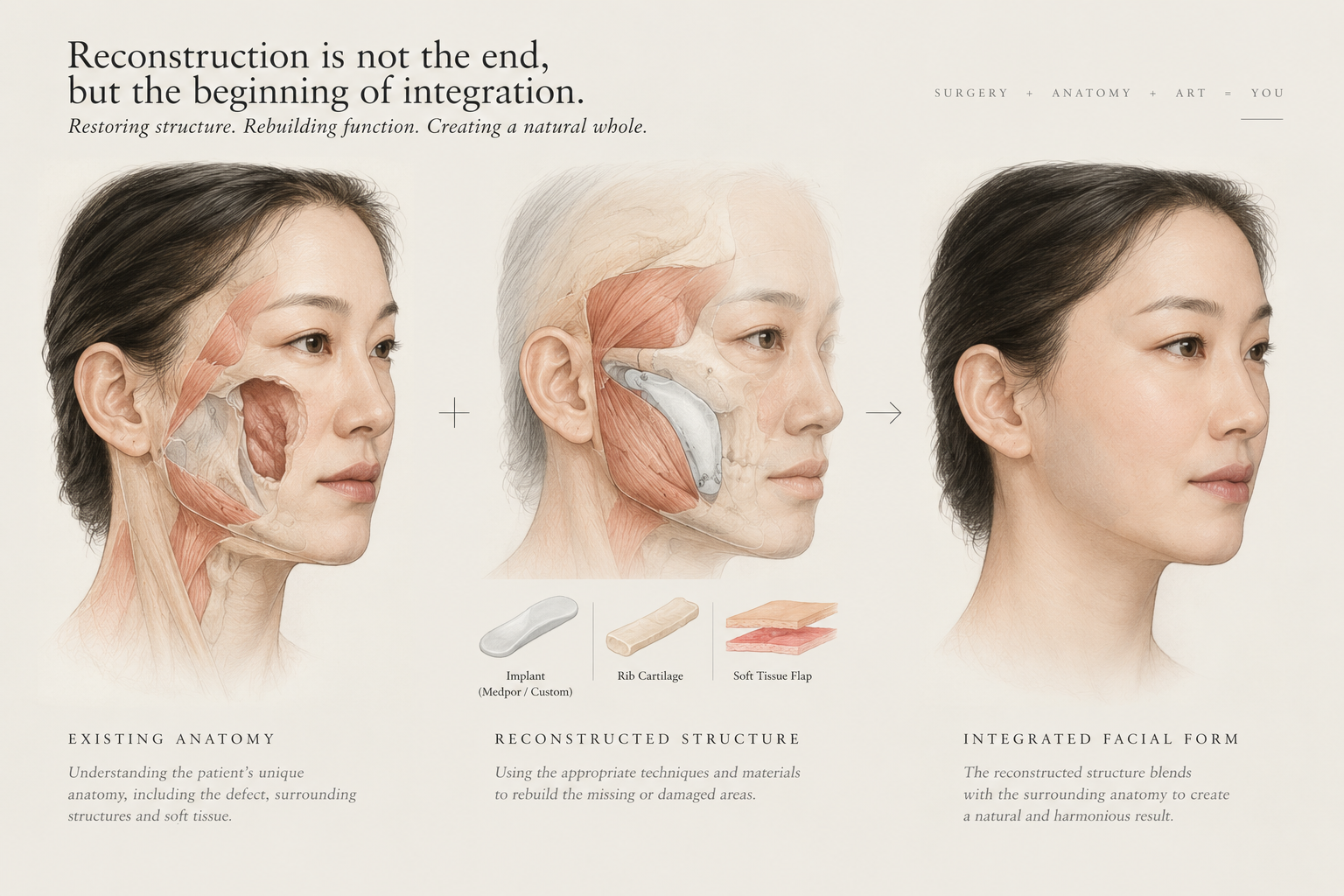
Reconstruction Is More Than Rebuilding
Restoring Identity, Not Simply Structure
Reconstructive surgery presents an even greater challenge.
When a patient has lost or developed an abnormal facial structure because of congenital differences, trauma, cancer, paralysis, or previous surgery, reconstruction cannot simply be about replacing what is missing.
The reconstructed structure must become part of the patient's face.
It must respect:
Existing anatomy
Facial proportions
Skin and soft-tissue characteristics
Natural contours
Symmetry and asymmetry
Facial movement
The patient's individual appearance
The goal is not to create an isolated “perfect” reconstruction.
The goal is to create a reconstruction that feels integrated, natural, and uniquely appropriate to the patient.
UVA's Facial Plastic & Reconstructive Surgery program describes this philosophy in terms of individualized assessment, personalized treatment planning, and balancing facial form and function while respecting each person's unique facial characteristics.Reconstruction Is More Than Rebuilding
Form and Function
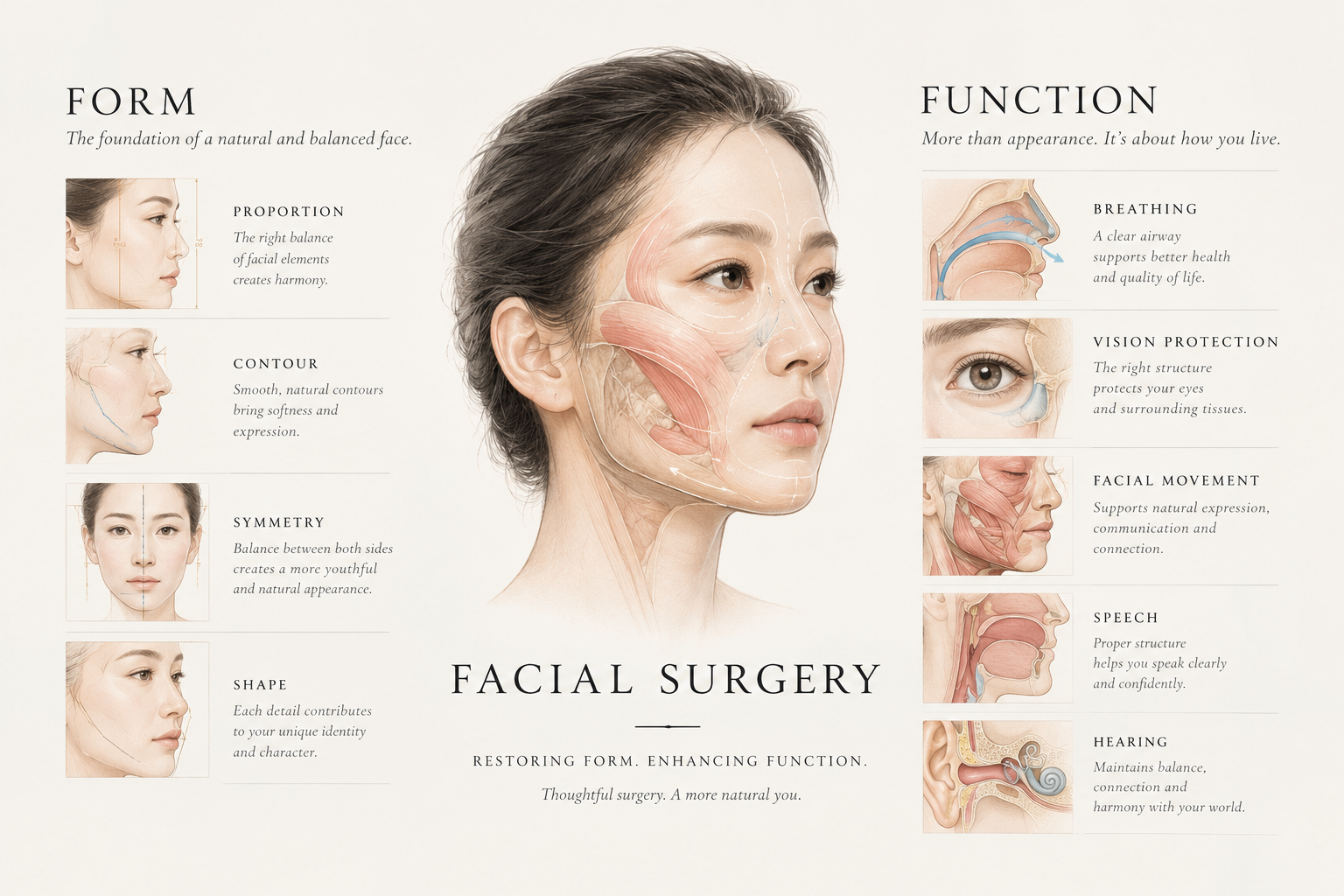
Beauty Is Not Separate From Function
Facial plastic and reconstructive surgery exists at the intersection of appearance and function.
The nose must breathe.
The eyelids must protect the eyes.
The lips must move and function.
The ears contribute to hearing and facial balance.
The face must move, communicate emotion, and interact naturally with the world.
For Dr. Park, successful surgery therefore requires consideration of both form and function.
The visual result cannot be separated from the biological and functional role of the structure being treated.
This philosophy is consistent with the approach described by UVA Facial Plastic & Reconstructive Surgery, where providers seek to balance form and function while respecting each patient's unique facial characteristics.
The Art of Seeing the Individual
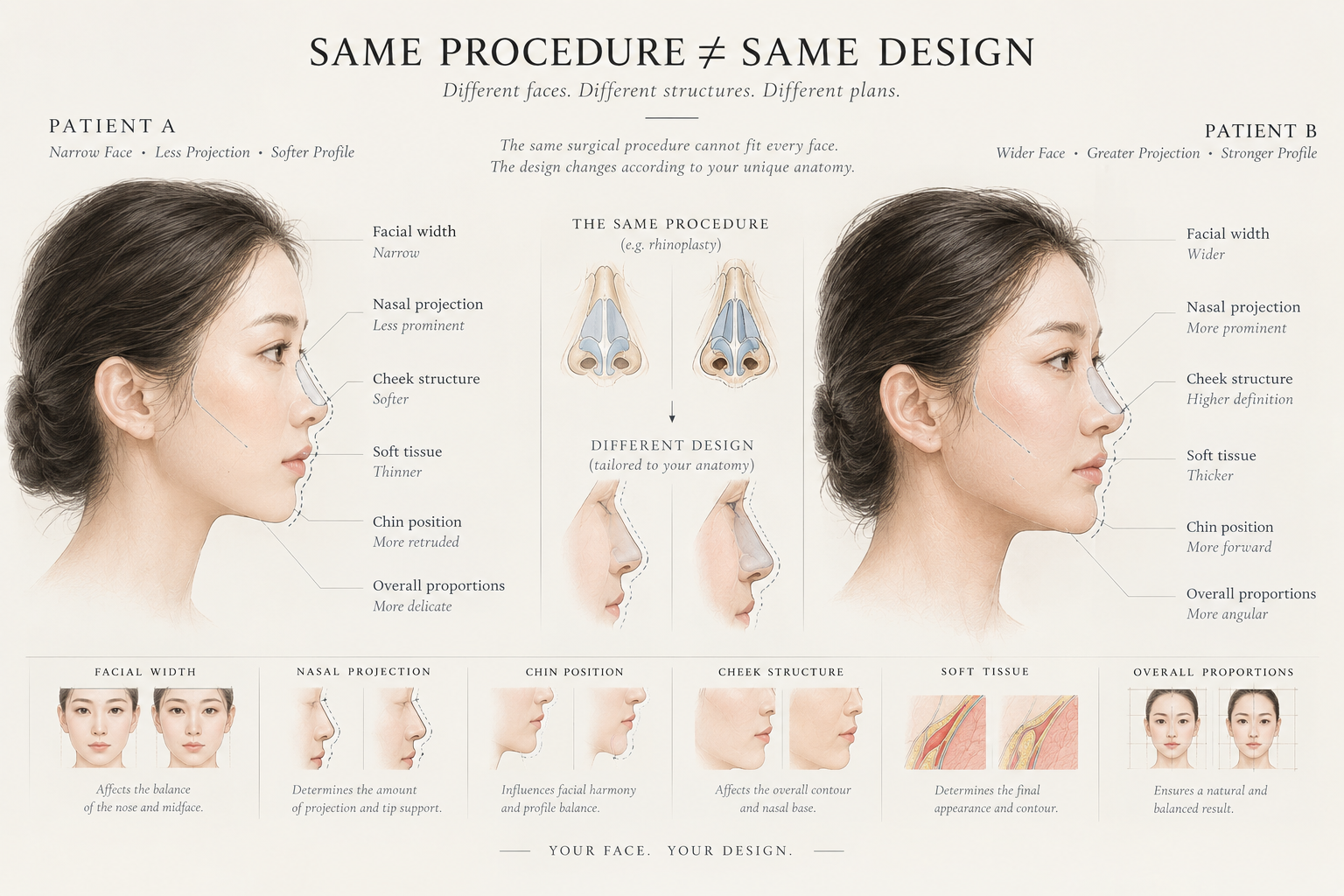
Every Patient Is Different
Two patients may request the same procedure and require completely different surgical plans.
Two patients may have similar anatomical concerns but different facial proportions, different tissue characteristics, and different goals.
This is why Dr. Park does not view facial surgery as a formula.
The operation must be designed around the individual.
A rhinoplasty should not create the same nose on every patient.
An ear reconstruction should not create the same ear on every patient.
A facial implant should not create the same contour on every face.
The surgery should respect the patient's identity.
Precision With a Human Perspective
Surgical precision is essential.
But precision alone does not define facial plastic surgery.
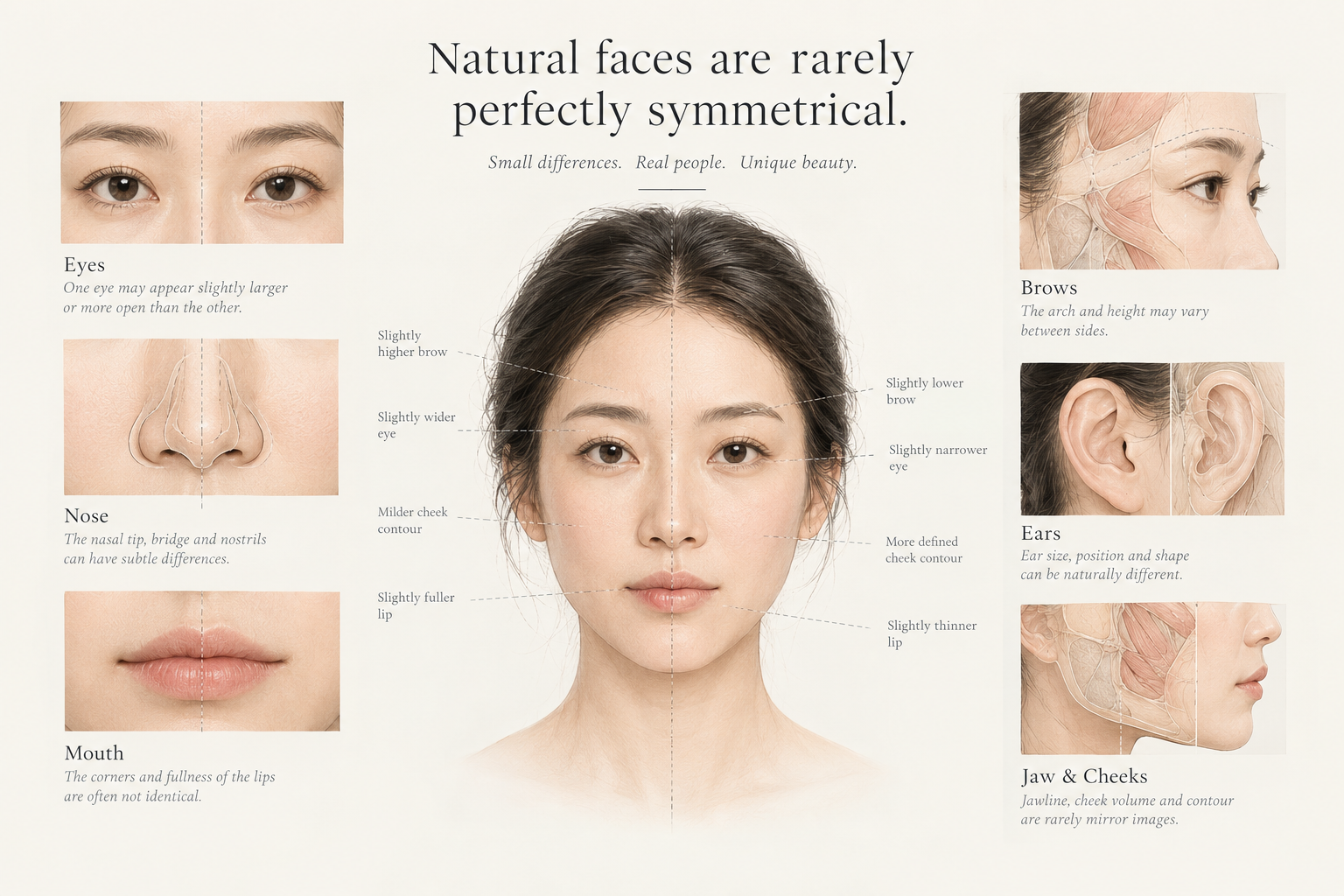
The surgeon must also understand when not to change something.
A slight asymmetry may be part of what makes a face recognizable.
A particular contour may be unique to the patient.
A feature that does not conform to a conventional aesthetic ideal may nevertheless belong perfectly to that individual.
The goal is not to eliminate individuality.
It is to preserve it.
A Career in Facial Plastic & Reconstructive Surgery
Dr. Park received his medical degree from the University of Michigan Medical School, completed residency training in Otolaryngology–Head and Neck Surgery through the Tufts–Boston University program, and completed fellowship training in Facial Plastic & Reconstructive Surgery in Portland, Oregon.
He joined the University of Virginia in 1994 as Director of the Division of Facial Plastic Surgery and later became Chair of the Department of Otolaryngology–Head and Neck Surgery. He has served in national leadership roles, including as president of the American Academy of Facial Plastic & Reconstructive Surgery, and is internationally recognized for his work in facial plastic surgery, particularly rhinoplasty and nasal reconstruction.
His academic career has also included teaching, research, publications, and education of surgeons in facial plastic and reconstructive surgery.
The Patient Comes First
Creating What Belongs to You
The most meaningful results in facial plastic and reconstructive surgery are not necessarily the most noticeable.
They are the results that feel integrated.
When a patient looks in the mirror, the goal is not to see a surgical feature.
The goal is to see themselves.
This is the difference between creating a beautiful individual feature and creating a feature that belongs to the individual.
For Dr. Park, that distinction is central to the art and science of facial plastic and reconstructive surgery.